

Introduction to Foundation and Skin Types
Foundation is one of the most important products in any makeup routine. It helps create an even skin tone and provides a smooth base for the rest of the makeup. When the right foundation is used, the skin looks fresh, balanced, and naturally beautiful. This is why many people choose to book a professional makeup artist in Dubai or Abu Dhabi to ensure the perfect base is applied.
However, choosing the right foundation can be confusing for many people. There are many different formulas, finishes, and shades available in the market. Without understanding your skin type, it can be difficult to find the perfect match.
Every person has a unique skin type. Some people have oily skin, while others have dry or combination skin. The foundation that works well for one person may not work the same way for another. Understanding your skin type is the first step toward choosing the right foundation, just like professional makeup services in UAE always begin with skin analysis.
Understanding Different Skin Types
Before selecting a foundation, it is important to identify your skin type. Skin type determines how makeup products interact with your skin throughout the day. Oily skin produces excess oil, especially around the forehead, nose, and chin. Makeup on oily skin may appear shiny if the wrong products are used. Dry skin often feels tight or flaky. Foundation can sometimes appear patchy on dry skin if it does not contain enough hydration.
Combination skin includes both oily and dry areas. The T-zone may be oily while the cheeks remain dry. Normal skin is balanced and usually works well with many types of foundation formulas. Knowing your skin type helps narrow down the foundation options that will work best for you. This is a key step followed by every makeup artist in Dubai UAE before applying makeup.
Choosing Foundation for Oily Skin
People with oily skin often struggle with makeup that melts or becomes shiny during the day. The best foundations for oily skin are usually oil-free and mattifying. Matte foundations help control excess oil and reduce shine. These formulas absorb oil and help keep the skin looking smooth.
Powder foundations and long-lasting liquid foundations are often good choices for oily skin. They provide coverage while maintaining a matte finish. Using a primer before applying foundation can also help control oil production. This creates a smooth base that allows foundation to stay in place longer. These techniques are commonly used by professional makeup artists in Abu Dhabi to ensure makeup stays fresh even in humid conditions.
Choosing Foundation for Dry Skin
Dry skin requires foundation that provides moisture and hydration. Using the wrong formula may cause foundation to appear uneven or flaky. Hydrating liquid foundations work well for dry skin. These foundations often contain moisturizing ingredients that help keep the skin soft.
Foundations with a dewy finish can also enhance the appearance of dry skin. They add a healthy glow that makes the complexion look more vibrant. Preparing the skin with moisturizer before applying foundation is also important. Well-hydrated skin allows the foundation to blend smoothly. This is why many people prefer hiring a makeup artist in Dubai UAE for events, as they ensure proper hydration before applying makeup.
Choosing Foundation for Combination Skin
Combination skin requires a balanced approach. Some areas of the face may need oil control, while others require hydration. Lightweight liquid foundations often work well for combination skin, as they provide moderate coverage without feeling heavy.
Some people with combination skin prefer using different products on different areas of the face. For example, mattifying products can be used in oily areas while hydrating formulas are applied to dry areas. Using a balanced foundation helps maintain harmony between different parts of the face. Professional makeup services in UAE often customize foundation application based on different areas of the face to achieve a flawless finish.
Finding the Right Foundation Shade
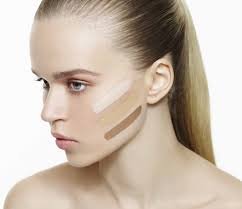
Choosing the correct shade is just as important as choosing the right formula. Foundation should match the natural skin tone as closely as possible. Testing foundation on the jawline is one of the best ways to find the right shade. The color should blend seamlessly with both the face and neck.
Lighting also plays an important role when testing shades. Natural daylight helps reveal the true color of the foundation. Some people have warm undertones, while others have cool or neutral undertones. Identifying undertones helps select a shade that complements the skin naturally. A professional makeup artist in Dubai will always match both tone and undertone to avoid uneven makeup.
Different Types of Foundation Formulas
Foundations come in several different forms. Each type offers unique benefits depending on skin type and personal preference. Liquid foundations are one of the most popular options, offering flexible coverage and compatibility with many skin types.
Powder foundations are often preferred by people with oily skin, as they help absorb excess oil and provide a matte finish. Cream foundations offer fuller coverage and are often suitable for dry or mature skin. Tinted moisturizers provide very light coverage and are ideal for natural everyday makeup looks. Makeup artists in Abu Dhabi often choose foundation formulas based on the event type and skin condition.
Application Techniques for Better Results
Even the best foundation may not look good if it is applied incorrectly. Using proper techniques helps foundation blend smoothly with the skin. Makeup sponges are commonly used for foundation application because they create a soft and natural finish.
Foundation brushes can also provide even coverage and help blend the product quickly. Some people prefer using their fingers because the warmth of the skin helps blend the foundation naturally. Professional makeup artists in UAE use a combination of tools to achieve a seamless and long-lasting result.
Preparing the Skin Before Foundation
Preparing the skin properly is essential for achieving a flawless foundation look. Skincare plays a major role in how makeup appears on the skin. The face should always be cleansed before applying makeup to remove dirt, oil, and impurities.
Moisturizer helps hydrate the skin and prevent dryness. Primer can also be used to create an even base and improve the longevity of foundation. Well-prepared skin allows foundation to apply evenly and last longer. This is why makeup services in Dubai focus heavily on skin prep before any application.
Final Thoughts
Choosing the right foundation is an important step in creating beautiful makeup. Understanding your skin type helps determine which formula will work best. Oily skin benefits from matte foundations that control shine, while dry skin requires hydrating formulas that add moisture. Combination skin works best with balanced products that address both needs.
Selecting the correct shade and applying foundation properly also helps create a natural and polished appearance. When the right foundation is chosen, it enhances natural beauty while providing a smooth and even complexion. For special occasions, many people prefer to book a professional makeup artist in Dubai, Abu Dhabi, or anywhere in the UAE to achieve a flawless and long-lasting finish.